Key Takeaways
- Proactive care after your painting project ensures your home’s vibrant new look endures, protecting your aesthetic and financial investment.
- Understanding the specific needs of interior and exterior paint, as well as wood stains, is crucial for effective, long-term maintenance in Colorado’s unique climate.
- Simple, consistent practices can significantly extend the life of your paint job, minimizing the need for costly repairs or premature repainting.
Protecting Your Home’s New Glow
There’s nothing quite like the feeling of a freshly painted home. The crisp lines, the vibrant colors, the renewed sense of warmth and welcome – it’s an investment that transforms your living space and boosts your curb appeal. You’ve gone through the exciting process of choosing colors, working with skilled professionals for your Residential Painting Colorado project, and now your home truly shines. But the journey doesn’t end when the painters pack up their brushes; in fact, a new, vital chapter begins: care and maintenance. Learn more about Colorado Weather & Long-Lasting Paint.
Think of your new paint job as a beautiful, high-performance vehicle. You wouldn’t drive it off the lot and neglect oil changes or regular washes, right? Similarly, the true secret to unlocking lasting beauty for your home’s freshly painted surfaces lies in diligent, yet simple, post-project care. This isn’t about arduous tasks; it’s about smart habits and a little bit of know-how that will protect your investment, keep your home looking its best, and save you time and money in the long run. Let’s dive into the practical wisdom that will keep your Colorado home radiating its newfound splendor for years to come.
The Curing Game: Patience is a Virtue
My painters just finished; can I immediately start rearranging furniture or hanging pictures?
While your fresh paint might feel dry to the touch within hours, it’s crucial to understand the difference between “dry” and “cured.” Paint undergoes a chemical process as it hardens, and this “curing” can take anywhere from a few days to a month, depending on the paint type, humidity, and ventilation. During this period, the paint is still relatively soft and susceptible to scuffs, dings, and fingerprints. It’s best to be gentle with newly painted surfaces for at least 7-14 days to allow the paint to fully harden and bond. Learn more about Colorado Weather & Long-Lasting Paint.
What are the best immediate steps I can take to protect my freshly painted walls and trim?
After your Residential Interior Painting project, ensure good ventilation in painted rooms by opening windows or running fans to help the curing process along. Avoid placing heavy objects against walls or touching surfaces unnecessarily. If you must move furniture, do so carefully, using blankets or moving pads to prevent contact with walls. For newly painted doors or windows, operate them gently to prevent sticking or chipping, and ensure they are not left closed and sealed for too long during the initial curing phase.
Cleaning Wisdom: Keep that Sparkle Alive
What’s the safest way to clean general smudges or dirt from my freshly painted interior walls?
When it comes to cleaning, less is definitely more, especially on new paint. For minor smudges or dust, start with a soft, dry microfiber cloth. If that doesn’t work, dampen the cloth very slightly with plain water. For stubborn spots, a tiny drop of mild, non-abrasive soap (like dish soap) diluted in water can be used, but always test in an inconspicuous area first. Gently blot or wipe, rather than scrub, and rinse thoroughly with a clean, damp cloth, then dry. Learn more about Paint Prep for a Lasting Finish.
How should I approach cleaning the exterior of my home after a Residential Exterior Painting project, especially given Colorado’s weather?
For exterior surfaces, a gentle approach is also key. Regularly clear cobwebs and loose dirt with a soft broom or a garden hose on a low setting. For more stubborn grime, a soft-bristled brush with a solution of mild detergent and water can be effective. Always work from top to bottom, rinsing frequently to prevent streaking. Avoid high-pressure washers directly on freshly painted surfaces, as they can damage the paint film, especially on areas like siding or trim where the paint might be thinner or older.
Touch-Up Tactics: Minor Blemishes, Major Impact
My child accidentally scuffed a wall. How should I handle minor touch-ups without making it look worse?
Every homeowner knows that life happens, and minor scuffs or chips are almost inevitable. The first step is to have a small amount of your leftover paint on hand – ask your Residential Painting Colorado contractor for labeled cans. When touching up, clean the area gently first. Use a small artist’s brush or a foam roller (if it’s a larger flat area) to apply a very thin coat of paint. Blend the edges as seamlessly as possible. It’s often better to do two thin coats than one thick, clumpy one, and remember that touch-ups can be more noticeable on walls with a higher sheen. Learn more about Paint Types for Lasting Colorado Beauty.
What if the damage is more significant, requiring more than a simple touch-up?
For more significant damage, such as deep gouges or areas where the primer is showing through, you might need a slightly more involved process. Lightly sand the damaged area to smooth it, then clean it thoroughly. Apply a small amount of spackle or patching compound if necessary, letting it dry completely and sanding smooth. Then, prime the patched area before applying two thin coats of your original paint. For extensive damage, especially after a Custom Home Painting project where precision is paramount, it might be wise to consult with your original painters to ensure a perfect match and finish.
Colorado Climate Resilience: Battling the Elements
What specific maintenance considerations should I keep in mind for my Residential Exterior Painting given Colorado’s harsh sun and weather?
Colorado’s intense UV rays, temperature swings, and occasional hail can be tough on exterior paint. Regularly inspect your exterior for any signs of fading, chalking, or peeling, particularly on south-facing walls that get the most sun. Promptly address any small cracks or chips to prevent moisture intrusion, which can lead to more extensive damage. Consider washing your exterior paint at least once a year to remove pollutants and grime that can degrade the paint film.
How does the dry climate affect exterior wood staining, and what maintenance should I plan for my Exterior Wood Staining project?
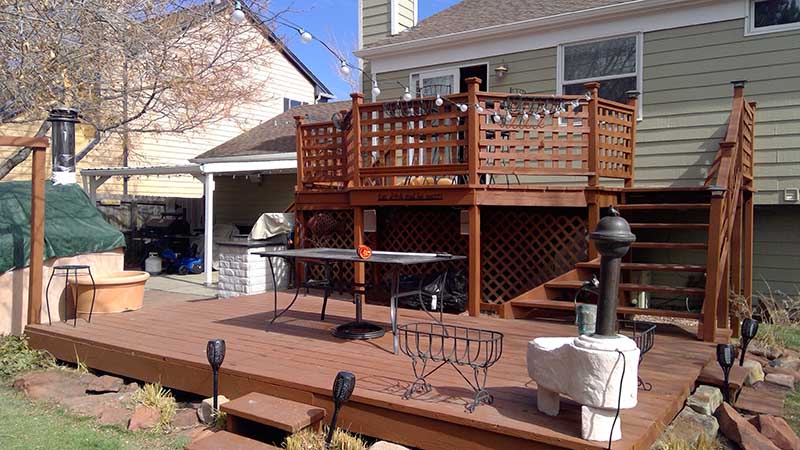
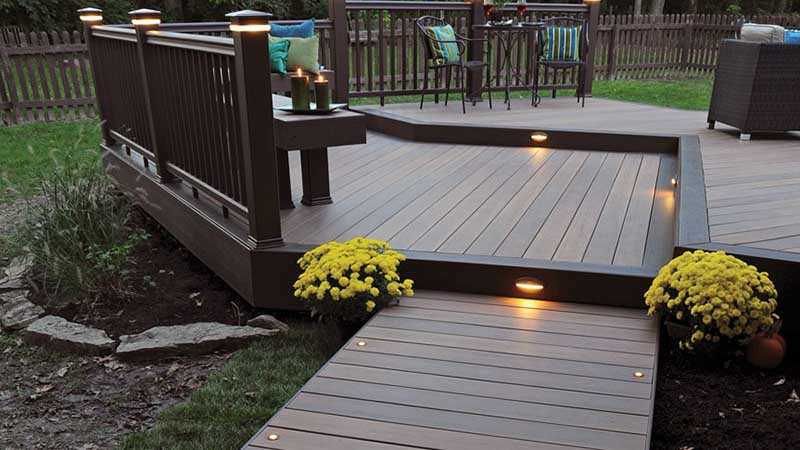
Colorado’s dry climate can accelerate the drying and cracking of wood if not properly protected. For `Exterior Wood Staining`, regular inspection is key. Look for areas where the stain might be thinning or fading, especially on decks, fences, or pergolas exposed to direct sun and foot traffic. Depending on the product used, most exterior wood stains and sealants will need reapplication every 2-5 years to maintain their protective qualities and aesthetic appeal. Keep the wood clean from debris and standing water to prevent rot and mildew.
Nurturing Your Stained Interiors: Wood’s Best Friend
I just had some beautiful Interior Wood Staining done on my doors and trim. How can I best protect it from daily wear and tear?
Interior wood staining adds warmth and character, but it requires specific care. Avoid harsh chemical cleaners or abrasive materials, which can strip the finish or scratch the wood. For routine cleaning, a soft, dry cloth is usually sufficient to remove dust. For occasional deeper cleaning, a wood-specific cleaner or a slightly damp cloth with mild soap can be used, followed immediately by drying. Always protect stained surfaces from excessive moisture and direct sunlight, which can cause fading or warping over time.
What are some common issues to watch out for with interior wood staining and how can I address them?
Common issues include water rings from drinks, scratches, or general dulling of the finish. To prevent water rings, always use coasters under glasses. For light scratches, specialized wood scratch repair markers or polishes can often blend them away. If the finish starts to look dull, a high-quality wood polish designed for stained wood can help restore its luster. For more significant damage or if the stain itself appears to be wearing thin, especially in high-traffic areas, you might consider re-applying a clear protective coat or consulting with a professional.
Long-Term Love: Investing in the Future
Beyond immediate care, what long-term strategies can ensure my Residential Painting & Remodeling investment truly lasts?
Long-term maintenance is about consistent vigilance. Beyond regular cleaning and touch-ups, schedule annual inspections of your home’s exterior and interior for any signs of wear, damage, or potential issues that could impact your paint. This includes checking for leaky gutters, cracks in siding, or areas where caulk might be failing – issues that, if left unaddressed, can lead to water damage and paint failure. A proactive approach helps you catch small problems before they become big, costly ones.
When should I consider professional intervention for my paint and finish instead of DIY solutions?
While many minor issues can be handled with DIY care, there’s a point where professional intervention becomes wise. If you’re seeing widespread peeling, blistering, significant fading, or if you suspect moisture intrusion behind your walls, it’s time to call in the experts. Similarly, for intricate custom finishes from your Custom Home Painting project, or when dealing with extensive damage to `Interior Wood Staining` or `Exterior Wood Staining`, a professional eye can ensure repairs are done correctly, preserving the quality and integrity of your initial investment.
Conclusion
Your home’s freshly painted surfaces, whether a vibrant exterior, a calming interior, or beautifully stained wood, are more than just a coating – they’re an investment in beauty, protection, and the value of your Colorado residence. By embracing these practical, everyday care and maintenance tips, you’re not just preserving paint; you’re preserving the joy and pride you feel every time you step through your front door. It’s about cultivating habits that transform maintenance from a chore into a seamless part of homeownership.
Remember, a little consistent effort goes a long way in ensuring your Residential Painting Colorado project continues to shine brilliantly through every season. From gentle cleaning to timely touch-ups and understanding your home’s unique needs in our unique climate, you hold the secret to its lasting beauty. Keep these tips close, and enjoy the enduring splendor of your beautifully maintained home for many years to come!